

Logistics real estate in the United States (US) and Europe is entering a renewed growth cycle, creating a favourable environment for platforms such as the Mapletree US & EU Logistics Private Trust (MUSEL) to unlock value. Steadier demand, healthier operations and rental upside are setting the stage for the sector’s next phase of value creation.
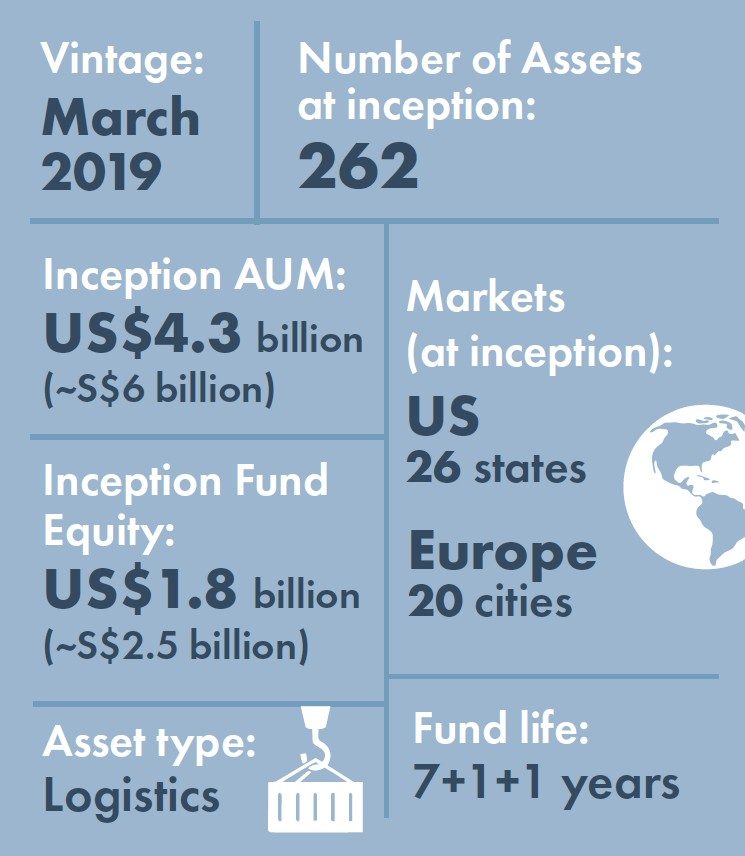
MUSEL was launched in March 2019 with US$4.3 billion (~S$6 billion) in assets under management (AUM). The fund also attracted US$1.8 billion (~S$2.5 billion) in equity from a geographically diverse investor base amid a competitive fundraising environment.
At inception, the fund comprised 262 assets across 26 US states and 20 European cities and was built on a simple premise: modern economies run on efficient, well-located warehousing.
Despite markedly different market conditions from those at inception, MUSEL’s US divestments to date have generated returns broadly in line with its 12% internal rate of return (IRR) target.
FROM BOOM TO BALANCE
The sector’s recent history can be divided into two distinct phases.
The first was an unprecedented surge during the pandemic, when high e-commerce demand was met with limited supply, according to a 2025 market research report by professional services firm JLL. Vacancy rates tightened, rents climbed and capitalisation rates compressed. Logistics assets began commanding premium valuations.
The second phase is one of resurgence. While new supply in recent years has taken time to be absorbed, supply pipelines are moderating and tenant demand is recovering, driving lower vacancies and renewed rental growth over the next 12 to 24 months.
Reshoring and supply chain diversification continue to fuel support for logistics space. Ongoing geopolitical tensions may further reinforce the need for supply chain resilience, though their full impact remains uncertain.
In the US, Mapletree’s largest market by AUM, early signs of stabilisation are emerging, with recent tariff developments accelerating the resurgence of local manufacturing activity. The Group’s extensive logistics footprint of more than 66 million square feet (sq ft) across the country, alongside exposure to other sectors including office, student housing and data centre, offers a well-rounded view of market dynamics.
Having developed, managed and operated logistics properties since 2000, Mapletree has built one of the largest global platforms in the sector, with over 700 assets and 30 million square metres (~322 million sq ft) of space under management. As at 31 March 2025, logistics remains its largest asset class, accounting for 42% of total AUM.
CRYSTALLISING RETURNS
Capital markets are regaining momentum, with activity picking up from 2024 levels, supported by pent-up demand from both buyers and sellers. Larger portfolio transactions are gaining traction, and pricing is expected to improve over the next 12 to 24 months.
Within this environment, Mapletree has been actively executing its divestment strategy under MUSEL to crystallise returns for investors ahead of fund expiry. Since June 2025, approximately US$1.5 billion in logistics assets have been sold across multiple tranches, including portfolios located in the East Coast and Sun Belt regions of the US. The fifth tranche of divestment was completed in March 2026, with the fund now comprising approximately 170 assets.
Alongside MUSEL, Mapletree US Logistics Private Trust (MUSLOG) provides an additional platform through which the Group manages US logistics assets, allowing it to strengthen its foothold in the robust US logistics market.
One key lever of Mapletree’s future lies in positive rental reversion. Across both MUSEL and MUSLOG, many existing leases were signed before the surge in market rental rates. As these leases roll over, there is room for higher net property income to be realised.
BUILDING THE NEXT CYCLE
Even as assets are sold, the next growth pipeline is already taking shape. Mapletree currently has about US$500 million of development properties under construction in the US, with completions expected between the second half of 2026 and 2027.
Looking ahead, the Group will consider options for an appropriate investment vehicle for these development projects in the US over the next 12 months, with a fund being one potential structure. To increase its footprint, it is also actively exploring acquisitions of both development and stabilised assets.
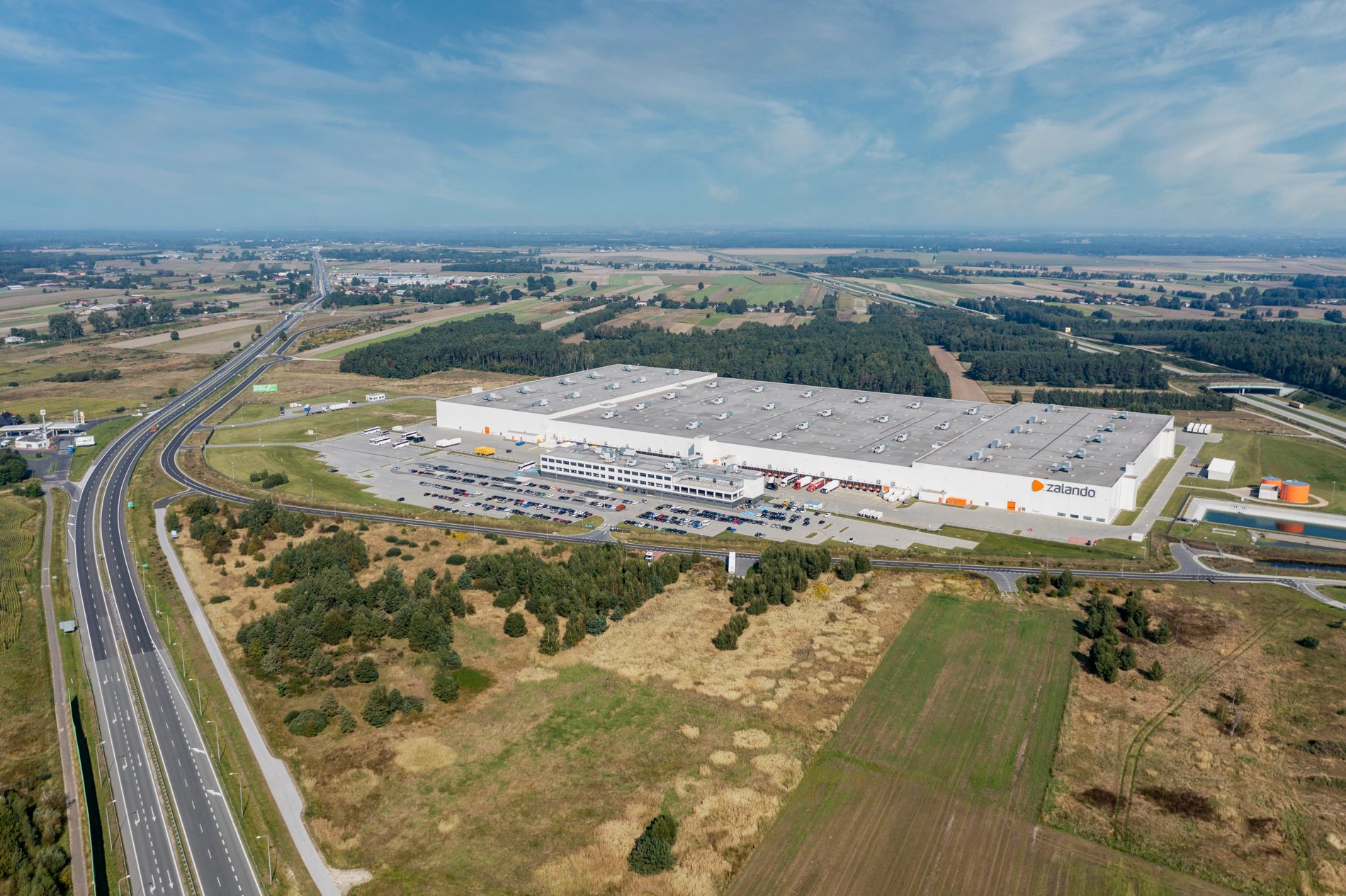
In parallel, Mapletree is expanding its logistics footprint across key Western European markets through targeted acquisitions of quality and well-positioned properties in the United Kingdom, Spain and the Netherlands, which would form the seed portfolio for its new logistics-focused strategy in Europe.
MUSEL’s performance to date illustrates Mapletree’s disciplined strategy of investing in quality logistics assets, unlocking value through active asset management. We remain committed to delivering sustainable returns to our investors.
Mr Brian Roach,
Fund Manager of MUSEL
The broader outlook for logistics remains positive. Short-term fluctuations such as shifts in interest rates or near-term supply-demand imbalances are inevitable, but structural drivers — including e-commerce growth, supply chain resilience and the need for modern distribution infrastructure — continue to support the sector’s momentum, reinforcing Mapletree’s growth trajectory in the years ahead.